Browse by category

Jump straight to the style of z-image prompts you need.

Prompt detail

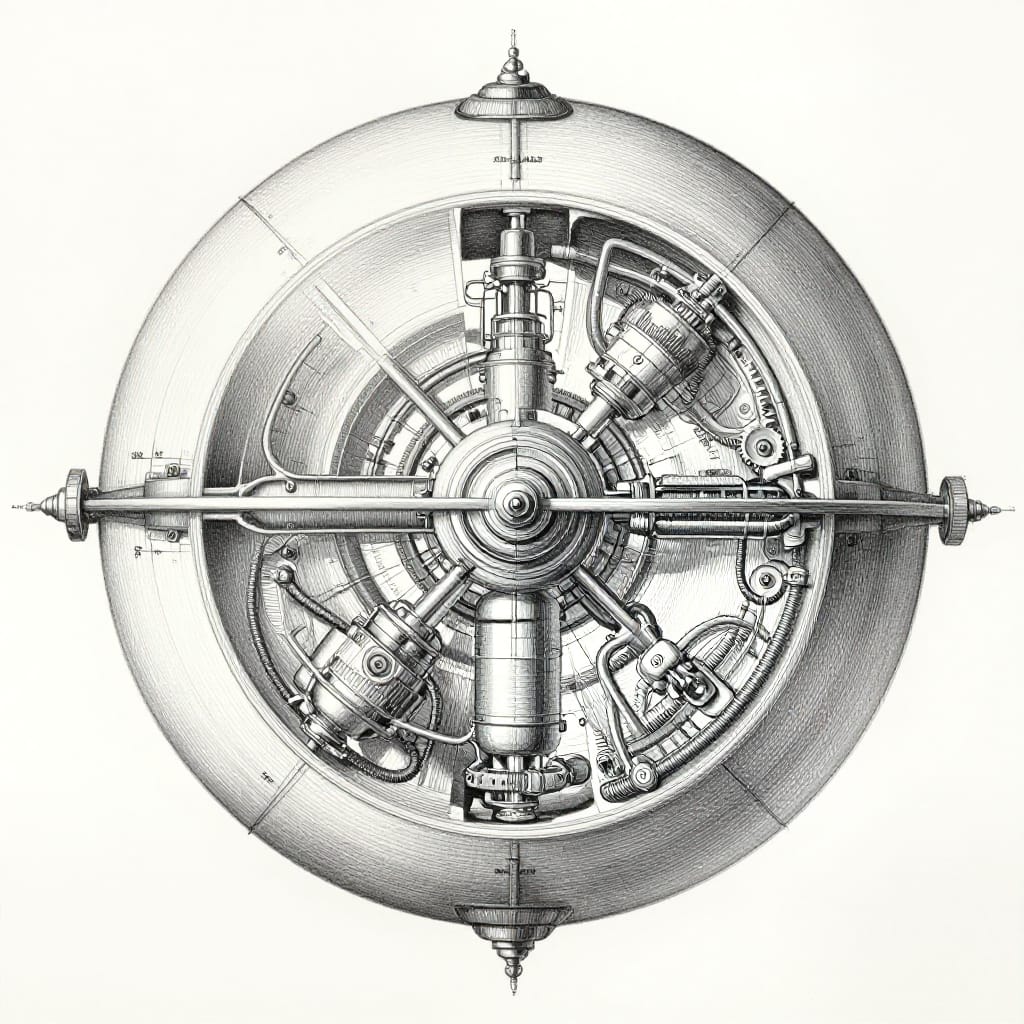
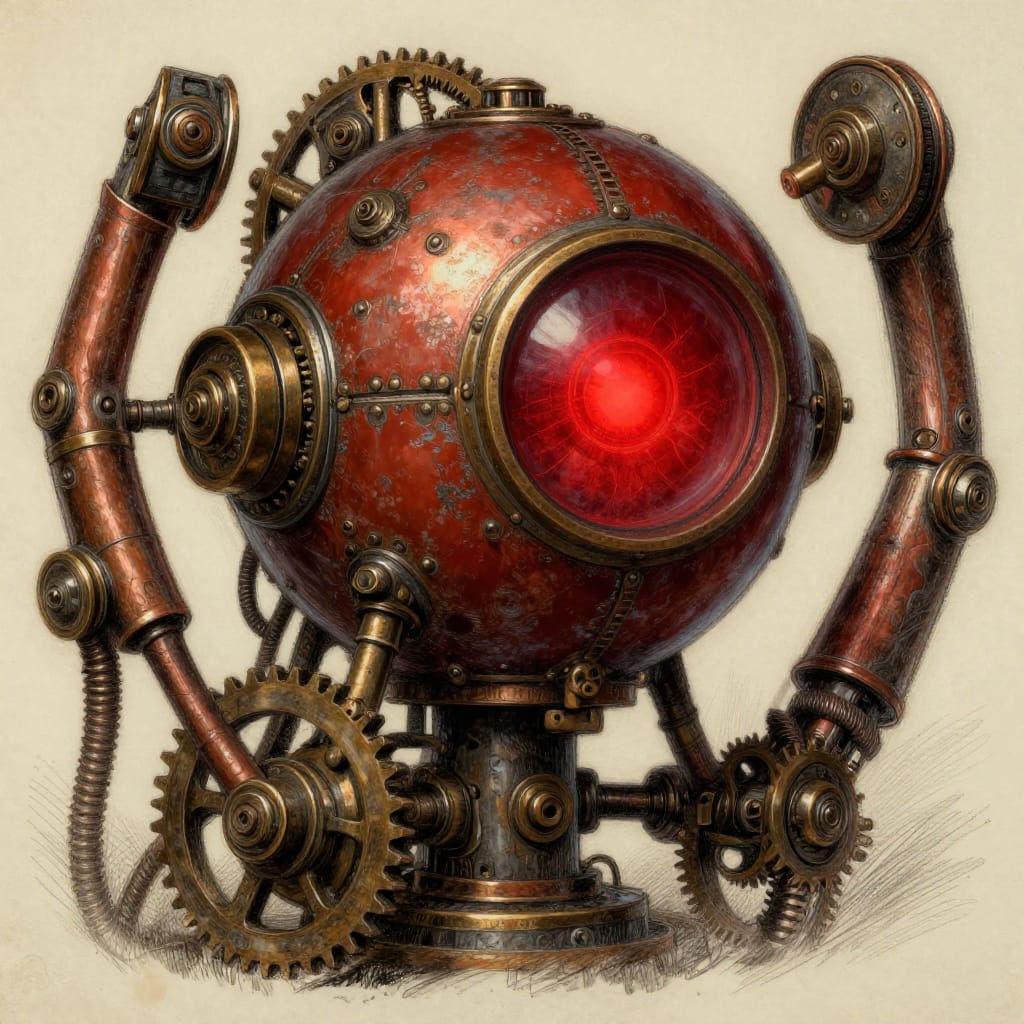
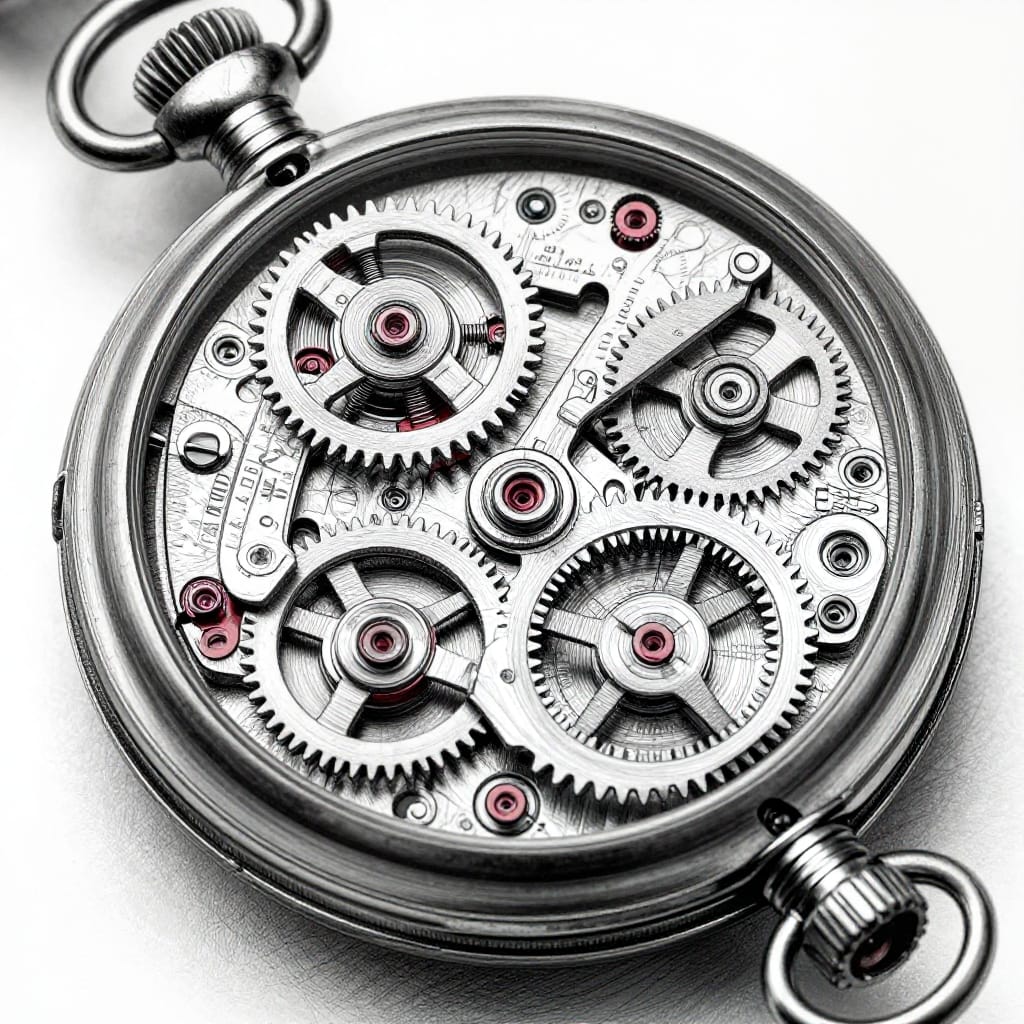
Mechanical Sphère

Mechanical Sphère

Related Prompts

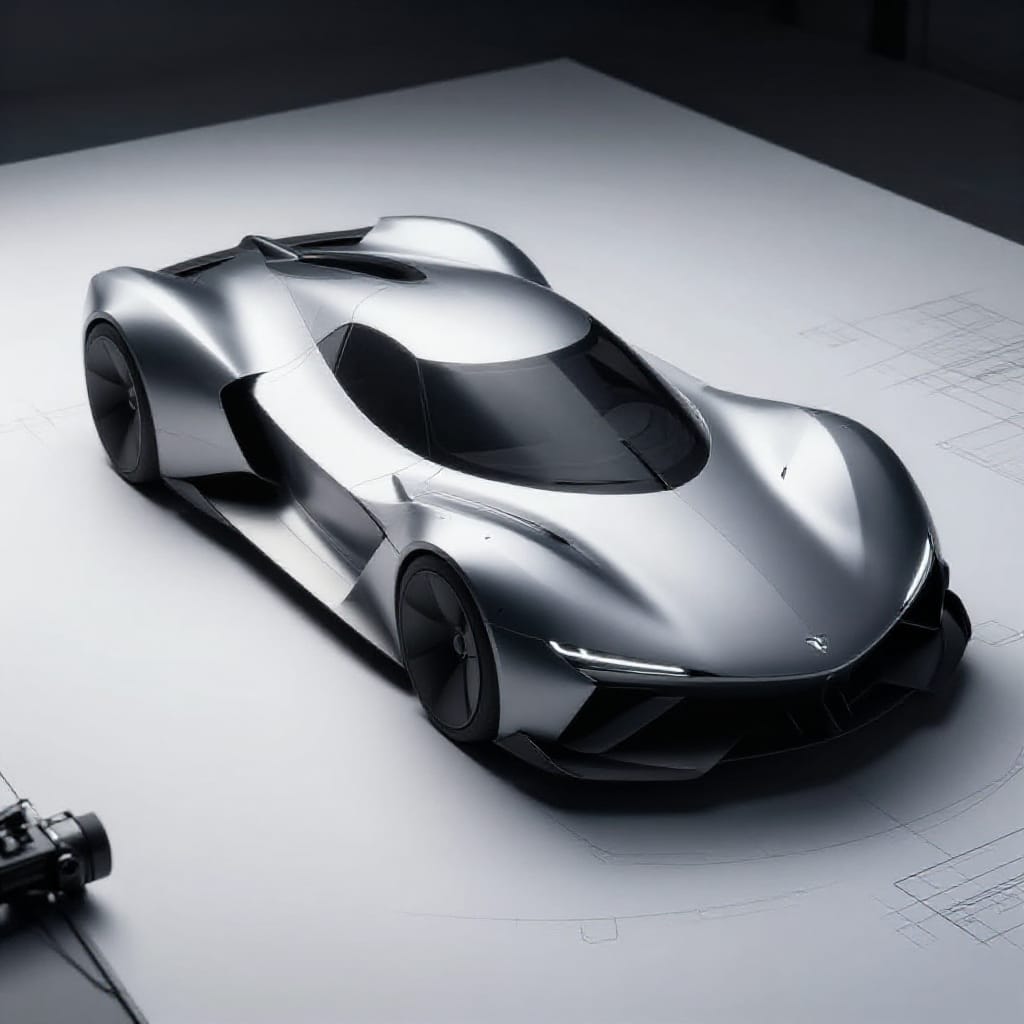
Concept art for a new luxury sports car rendered in highly detailed pencil and ink on aged paper. The composition centers the vehicle in a frontal view with a slight tilt to emphasize its aerodynamic curves and dynamic lines. The car features a sleek, low-profile body with a prominent hood scoop, a bold grille pattern, and subtle LED accents along the sides and rear. A metallic silver paint with a satin finish is applied to the body, catching soft highlights that define its contours. The underbody reveals a multi-spoke alloy wheel design, and the rear features a dual exhaust tailpipe and a rear spoiler with subtle air dynamics. The background is a clean, neutral gray panel to isolate the car. Precise measurements are notated in the margins: length 452 mm, width 186 mm, height 143 mm, and wheelbase 285 mm. Scientific accuracy is emphasized through detailed technical specifications, including aerodynamic coefficients, material thickness, and surface texture. The overall artistic feeling is one of cutting-edge innovation, precision, and refined elegance.

Elegant Sportscar Sketch

Concept art for a new luxury sports car rendered in highly detailed pencil and ink on aged paper. The composition centers the vehicle in a frontal view with a slight tilt to emphasize its aerodynamic curves and dynamic lines. The car features a sleek, low-profile body with a prominent hood scoop, a bold grille pattern, and subtle LED accents along the sides and rear. A metallic silver paint with a satin finish is applied to the body, catching soft highlights that define its contours. The underbody reveals a multi-spoke alloy wheel design, and the rear features a dual exhaust tailpipe and a rear spoiler with subtle air dynamics. The background is a clean, neutral gray panel to isolate the car. Precise measurements are notated in the margins: length 452 mm, width 186 mm, height 143 mm, and wheelbase 285 mm. Scientific accuracy is emphasized through detailed technical specifications, including aerodynamic coefficients, material thickness, and surface texture. The overall artistic feeling is one of cutting-edge innovation, precision, and refined elegance.
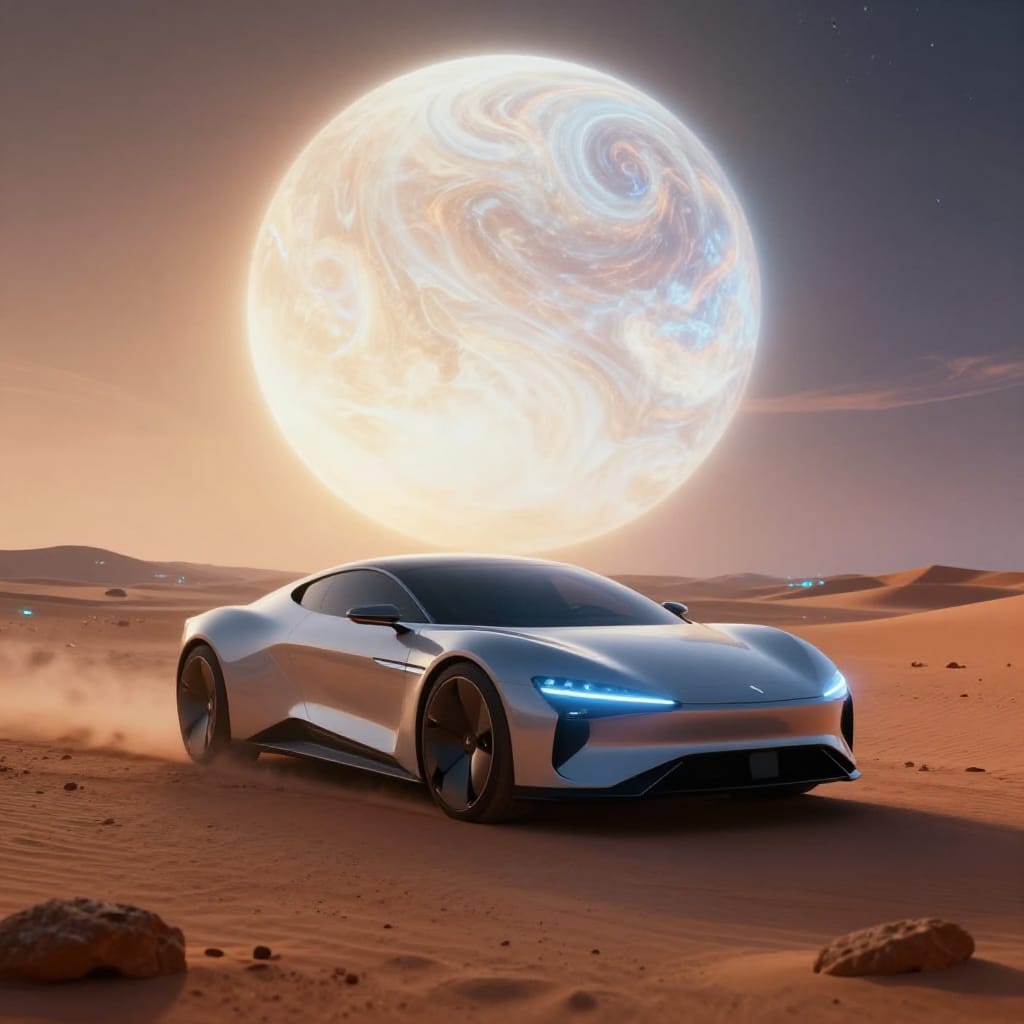
A sleek, modern futuristic car with glowing blue headlights is parked on a vast, sandy alien terrain under a massive, luminous celestial body. The scene is illuminated by a soft, warm light that emanates from the sky, casting gentle highlights on the car's polished surface and creating subtle shadows across the undulating dunes. The car features aerodynamic lines, advanced technology, and a high-gloss finish that reflects the ambient glow. The alien landscape stretches infinitely in both directions, rendered with intricate textures of fine grains, scattered rocky outcroppings, and faint bioluminescent patches that pulse faintly in the distance. The celestial body dominates the upper half of the frame, its surface swirling with dynamic light patterns that suggest planetary activity or energy currents. The composition centers the vehicle while drawing the eye upward toward the luminous sphere, creating a balanced yet dynamic visual hierarchy. The artistic style blends futuristic design with a dreamlike, otherworldly atmosphere, achieved through smooth digital rendering with precise lighting effects and rich, layered textures. The color palette combines earthy warmth of orange, yellow, and brown with cool blue and white accents from the car’s lights and the celestial body’s glow, producing a harmonious yet striking contrast that enhances the sense of wonder and adventure.

Alien Horizon Drive

A sleek, modern futuristic car with glowing blue headlights is parked on a vast, sandy alien terrain under a massive, luminous celestial body. The scene is illuminated by a soft, warm light that emanates from the sky, casting gentle highlights on the car's polished surface and creating subtle shadows across the undulating dunes. The car features aerodynamic lines, advanced technology, and a high-gloss finish that reflects the ambient glow. The alien landscape stretches infinitely in both directions, rendered with intricate textures of fine grains, scattered rocky outcroppings, and faint bioluminescent patches that pulse faintly in the distance. The celestial body dominates the upper half of the frame, its surface swirling with dynamic light patterns that suggest planetary activity or energy currents. The composition centers the vehicle while drawing the eye upward toward the luminous sphere, creating a balanced yet dynamic visual hierarchy. The artistic style blends futuristic design with a dreamlike, otherworldly atmosphere, achieved through smooth digital rendering with precise lighting effects and rich, layered textures. The color palette combines earthy warmth of orange, yellow, and brown with cool blue and white accents from the car’s lights and the celestial body’s glow, producing a harmonious yet striking contrast that enhances the sense of wonder and adventure.
Concept art for a robotic companion rendered in precise pencil and ink on aged paper. The artwork features a humanoid figure with a metallic torso, articulated limbs, and a sleek head with glowing circuit-like eyes. Scientific accuracy is emphasized through detailed anatomical proportions: the robot stands at 1.8 meters tall, with each limb measuring 50 cm in length, and its torso spans 1.2 meters in width. Cross-hatching and fine linework define every surface, including subtle shading on the metallic plating to mimic reflective light. The composition is balanced and symmetrical, with a central focus on the head and chest. Soft, directional lighting from above casts gentle highlights across the curves of the spine and shoulders, while shadows deepen in the crevices of the joints. The color palette is monochromatic, using shades of gray, slate, and bronze to create tonal contrast. Scientific notation is subtly integrated into the design: faintly visible technical diagrams outline the internal mechanical structure, including gears and hydraulic conduits. The aged paper surface exhibits a textured grain, with light imperfections and slight bleed-through enhancing the tactile authenticity. The overall artistic feeling is precise, futuristic, and deeply technical, capturing both the mechanical elegance and human-like presence of the companion.

Robotic Companion Concept

Concept art for a robotic companion rendered in precise pencil and ink on aged paper. The artwork features a humanoid figure with a metallic torso, articulated limbs, and a sleek head with glowing circuit-like eyes. Scientific accuracy is emphasized through detailed anatomical proportions: the robot stands at 1.8 meters tall, with each limb measuring 50 cm in length, and its torso spans 1.2 meters in width. Cross-hatching and fine linework define every surface, including subtle shading on the metallic plating to mimic reflective light. The composition is balanced and symmetrical, with a central focus on the head and chest. Soft, directional lighting from above casts gentle highlights across the curves of the spine and shoulders, while shadows deepen in the crevices of the joints. The color palette is monochromatic, using shades of gray, slate, and bronze to create tonal contrast. Scientific notation is subtly integrated into the design: faintly visible technical diagrams outline the internal mechanical structure, including gears and hydraulic conduits. The aged paper surface exhibits a textured grain, with light imperfections and slight bleed-through enhancing the tactile authenticity. The overall artistic feeling is precise, futuristic, and deeply technical, capturing both the mechanical elegance and human-like presence of the companion.
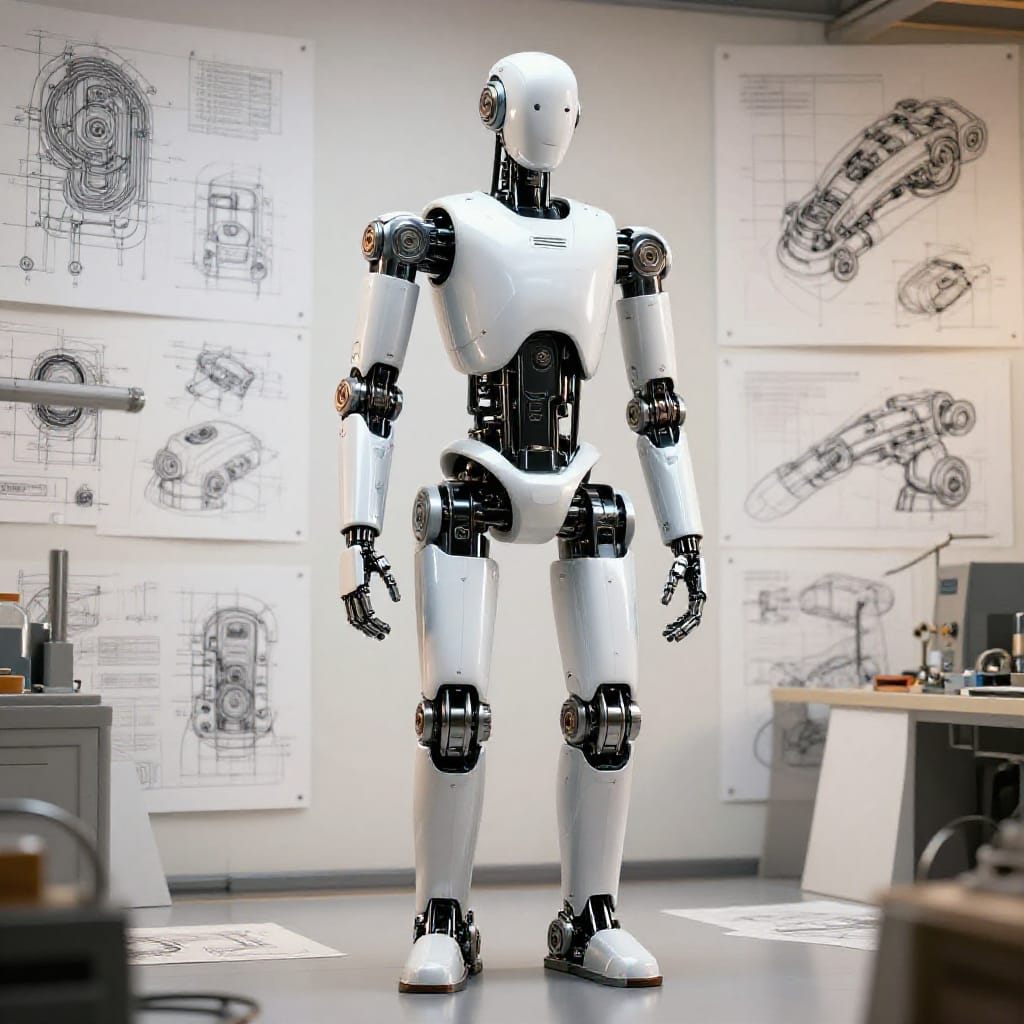
A humanoid robot stands upright in a well-lit workshop, its sleek metallic body gleaming under bright, even artificial illumination that highlights every intricate mechanical component—from articulated joints to precision-engineered limbs. The robot’s posture is neutral and composed, arms relaxed at its sides, conveying calm readiness. The mid-shot perspective captures the figure centrally, with the background filled with detailed technical sketches and schematics of mechanical parts, layered to suggest a deep focus on design and construction. The composition balances the robot’s form against the rich architectural details of its environment, which appears to be an indoor workshop or laboratory. A standard lens provides crisp clarity, emphasizing texture and form without distortion. The lighting is hard and even, casting no shadows, which enhances the metallic sheen and reveals the precise engineering of each component. The atmosphere is industrious and focused, imbued with a sense of precision and innovation. The color scheme is neutral, dominated by whites, grays, and subtle metallic highlights that contrast with the warm ambient light. Scene details include the robot’s smooth, reflective surface, its articulated joints with visible gears and bolts, and the layered technical drawings in the background, all contributing to a realistic and detailed portrayal of advanced robotics in motionless, deliberate focus.

Robot Workshop

A humanoid robot stands upright in a well-lit workshop, its sleek metallic body gleaming under bright, even artificial illumination that highlights every intricate mechanical component—from articulated joints to precision-engineered limbs. The robot’s posture is neutral and composed, arms relaxed at its sides, conveying calm readiness. The mid-shot perspective captures the figure centrally, with the background filled with detailed technical sketches and schematics of mechanical parts, layered to suggest a deep focus on design and construction. The composition balances the robot’s form against the rich architectural details of its environment, which appears to be an indoor workshop or laboratory. A standard lens provides crisp clarity, emphasizing texture and form without distortion. The lighting is hard and even, casting no shadows, which enhances the metallic sheen and reveals the precise engineering of each component. The atmosphere is industrious and focused, imbued with a sense of precision and innovation. The color scheme is neutral, dominated by whites, grays, and subtle metallic highlights that contrast with the warm ambient light. Scene details include the robot’s smooth, reflective surface, its articulated joints with visible gears and bolts, and the layered technical drawings in the background, all contributing to a realistic and detailed portrayal of advanced robotics in motionless, deliberate focus.
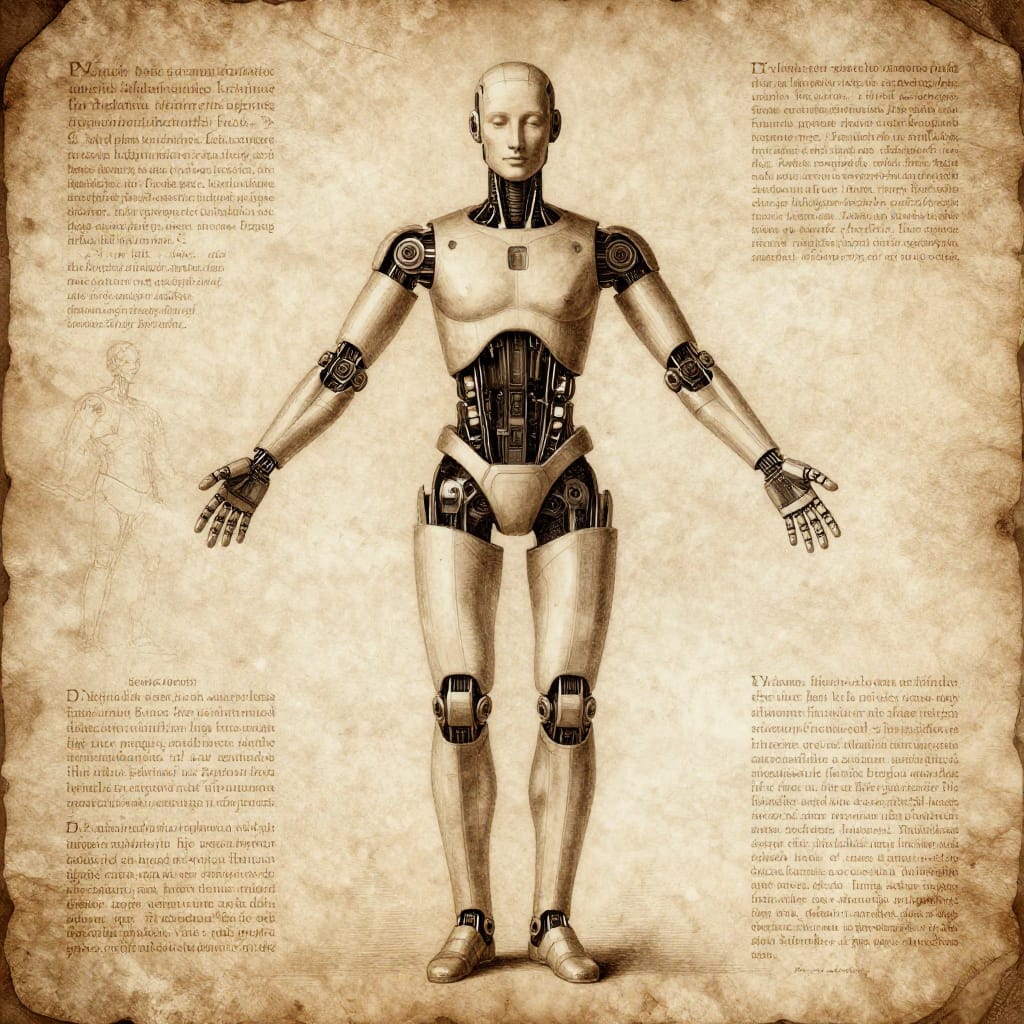
Concept art for a robot companion, rendered in pencil and ink on aged paper with textured grain and subtle paper cracks. The composition centers a humanoid robot with precise scientific accuracy: a sleek, articulated torso featuring segmented joints and metallic limbs, a head with expressive eyes and a visor, and functional arms with articulated fingers. The surface type is coarse, aged paper with visible fiber texture, providing a tactile contrast to the smooth metallic surfaces. Line work is precise and detailed, with cross-hatching and stippling used to create depth on metal panels, fabric-like skin, and internal mechanical components. The lighting is soft and directional from the front, highlighting the robot’s form with gentle shadows that emphasize anatomical structure. Color palette is limited to black ink and subtle gray tones, with scientific notation including precise measurements such as height (48 cm), arm length (32 cm), and wheel diameter (8 cm), written in small script near relevant features. The artistic feeling is one of meticulous precision, technical authenticity, and clean clarity, evoking a sense of trust in the robot’s design and function.

Mechanical Companion

Concept art for a robot companion, rendered in pencil and ink on aged paper with textured grain and subtle paper cracks. The composition centers a humanoid robot with precise scientific accuracy: a sleek, articulated torso featuring segmented joints and metallic limbs, a head with expressive eyes and a visor, and functional arms with articulated fingers. The surface type is coarse, aged paper with visible fiber texture, providing a tactile contrast to the smooth metallic surfaces. Line work is precise and detailed, with cross-hatching and stippling used to create depth on metal panels, fabric-like skin, and internal mechanical components. The lighting is soft and directional from the front, highlighting the robot’s form with gentle shadows that emphasize anatomical structure. Color palette is limited to black ink and subtle gray tones, with scientific notation including precise measurements such as height (48 cm), arm length (32 cm), and wheel diameter (8 cm), written in small script near relevant features. The artistic feeling is one of meticulous precision, technical authenticity, and clean clarity, evoking a sense of trust in the robot’s design and function.
A hyper-detailed panoramic scene of a lone human figure standing beside a sleek muscle car on the rugged, sun-bleached surface of Mars, viewed from a high vantage point where the bright blue and vibrant green hues of Earth are visible as a luminous disk in the sky. The dark, textured Martian landscape stretches behind the subject, rendered with intricate geological detail including jagged ridges, deep craters, and scattered regolith particles. The artwork is created in anime style, characterized by expressive linework, dynamic brushstrokes, and a richly saturated color palette that blends warm terracotta tones for the Martian terrain with cool cerulean and emerald accents from Earth. The sky is rendered with atmospheric depth, featuring wispy clouds and a subtle haze that softens the distant planet. The lighting is dramatic, with high-contrast highlights on the car’s polished surface and the figure’s attire, casting long shadows across the terrain. The composition emphasizes scale and wonder, capturing the vastness of space and the fragile beauty of life beyond Earth.

Mars Solo Journey

A hyper-detailed panoramic scene of a lone human figure standing beside a sleek muscle car on the rugged, sun-bleached surface of Mars, viewed from a high vantage point where the bright blue and vibrant green hues of Earth are visible as a luminous disk in the sky. The dark, textured Martian landscape stretches behind the subject, rendered with intricate geological detail including jagged ridges, deep craters, and scattered regolith particles. The artwork is created in anime style, characterized by expressive linework, dynamic brushstrokes, and a richly saturated color palette that blends warm terracotta tones for the Martian terrain with cool cerulean and emerald accents from Earth. The sky is rendered with atmospheric depth, featuring wispy clouds and a subtle haze that softens the distant planet. The lighting is dramatic, with high-contrast highlights on the car’s polished surface and the figure’s attire, casting long shadows across the terrain. The composition emphasizes scale and wonder, capturing the vastness of space and the fragile beauty of life beyond Earth.